Europe must not outsource sea rescue to Libya
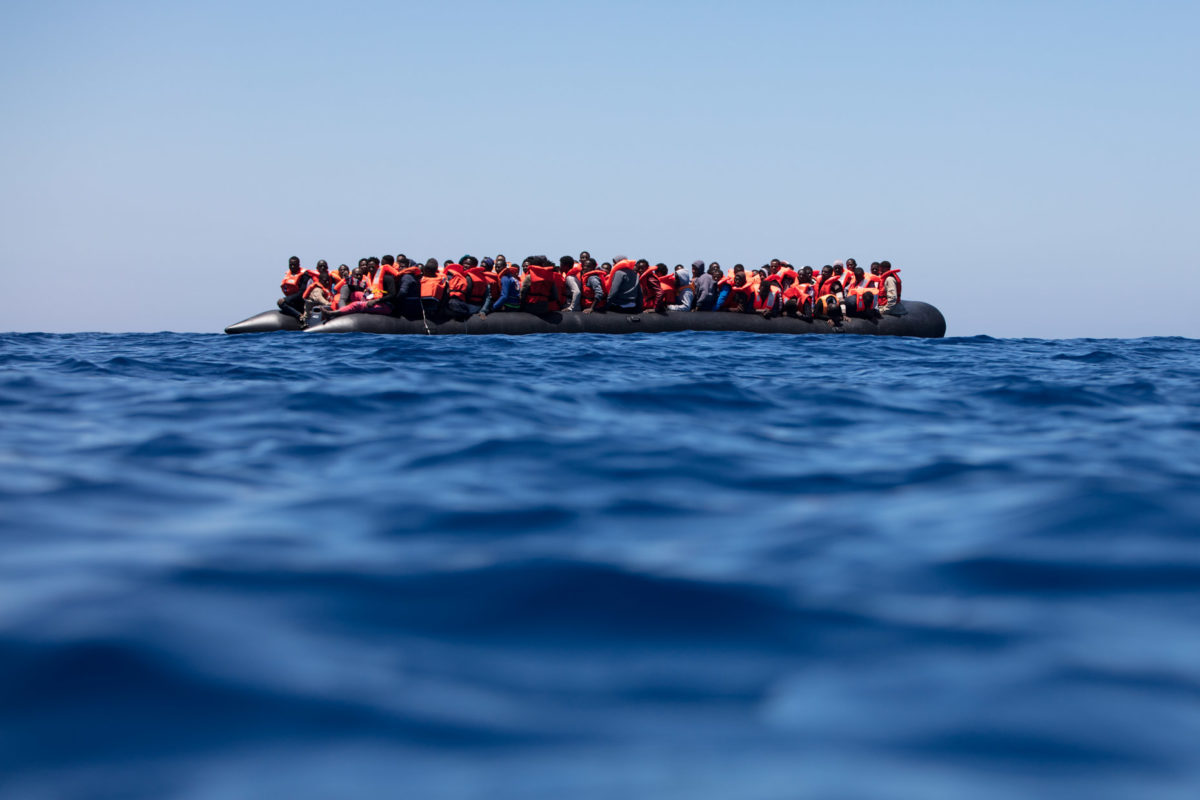
The report "Places of Safety in the Mediterranean: The EU's Policy of Outsourcing Responsibility" of the Heinrich Böll Foundation points out that the North African Mediterranean states cannot be regarded as "safe havens" and that the EU cannot therefore outsource sea rescue to these states. This is particularly true for the civil war country Libya.
Since 2014, over 20,000 people have drowned in the Mediterranean. Mediterranean Sea have drowned. The member states of the EU fail to agree on a joint on a joint programme for sea rescue and accept the death of these people of these people so that as few of them as possible reach Europe. They cooperate with criminal militias in Libya and deliberately accept the violation violations of fundamental rights. Some politicians even propose to send the refugees directly to North Africa, including the Libyan war zone, to the Libyan war zone.
Against this background, this study has important policy implications, noting that the EU and its member states cannot shirk their responsibility to save people in the Mediterranean.
Italy and Malta may not close ports
The policy of EU states such as Italy and Malta to close their ports and denying NGO ships access to their ports is costing people their lives. people's lives and is just as illegal as shifting the rescue to Libya.
The member states and the EU must rescue fugitives and migrants* and bring them to European ports, not only for moral reasons but also for legal ones. Your ports must remain open to rescue ships.
Deadliest route in the world
The route from Libya to Europe is the world's deadliest migration route in the world. The main reason for this is that the EU has stopped its has suspended its rescue activities in the Mediterranean. The naval operation Sophia, which saved the lives of more than 40,000 migrants and refugees. the operation. There is currently not a single state rescue ship in the Mediterranean Sea.
Civil organizations that try to close this gap are often obstructed are often obstructed, prosecuted or have their vessels confiscated. are confiscated. By suspending all sea rescue operations and also actively preventing NGOs from saving lives, it is partly responsible for the deaths of thousands of people in the Mediterranean.
This study makes it clear that the EU and its member states cannot evade this responsibility by outsourcing sea rescue to Libya or other North African Mediterranean countries.
Libya and other states in North Africa are not safe havens
Libya is one of the most unsafe and dangerous places for refugees in the world. People intercepted by the Libyan coast guard are taken to camps where they are subjected to inhumane conditions.., rape, exploitation and even arbitrary killings.
The current European policy of supporting this Libyan coastguard and making it the doorman of Europe is deeply inhumane and violates international law, and the EU and its member states have a duty to take people to a safe place where their lives and safety are not threatened and where they are safe from persecution.
The study shows that these safe havens exist only in Europe, which means that seven concrete political demands:
1. we need a European sea rescue mission!
The Member States must be proactive in carrying out rescue operations at sea by making ships and resources available, and the European Commission must coordinate them and provide financial support to Member States to improve their ability to save lives at sea.
2. EU cooperation with the Libyan Coast Guard must be ended
Europe must not evade its obligations in sea rescue by shifting responsibility to a country that can under no circumstances be considered a safe place. The EU must stop cooperating with Libya. Instead of funding the Libyan coast guard, which is also an association of warlords, the EU should invest in its own sea rescue capabilities.
3. people rescued from distress at sea in the Mediterranean must be brought to Europe
the study shows that none of the north african Mediterranean states can generally be classified as a safe haven. for vulnerable groups such as LGBTI or other minorities, these states are not safe. since it is not feasible to determine which territories would be safe for people and which would not, on board the rescue ships, Europe cannot shirk its responsibility and must bring people to safe havens in Europe. this also applies to NGO ships. cooperation with the libyan coast guard is a violation of international law.
4. the criminalisation and intimidation of NGOs must stop
Ship captains* and crew members must not be prosecuted for rescuing people in distress at sea. These people are life-savers*, not criminals. The European Commission must decide that humanitarian aid must not be criminalised by the Member States.
5. the EU must work closely with NGOs
Civil organisations cannot exempt member states from their obligation to rescue people in distress themselves, but they can help save lives. The EU should support NGOs in the rescue effort by opening its ports to them, simplifying the registration of ships for sea rescue and informing them about emergencies.
6. Europe needs a reliable redistribution mechanism
The EU Commission must develop a solidarity-based and humanitarian alternative to the Dublin system, in which the rights and wishes of the refugees are respected. A high level of solidarity and readiness to receive refugees must also be promoted financially. In this context, the readiness of local and regional authorities and regions should be taken into account and supported with EU funds.
7. the EU must stop misusing development funds for migration prevention
The EU is supporting the Libyan coastguard through the EU Trust Fund for Africa. This is a misuse of funds that are supposed to be used for development cooperation. The aim of development cooperation is to fight poverty, not migration. In general be made much more transparent about how EU money is used in third countries. are used.